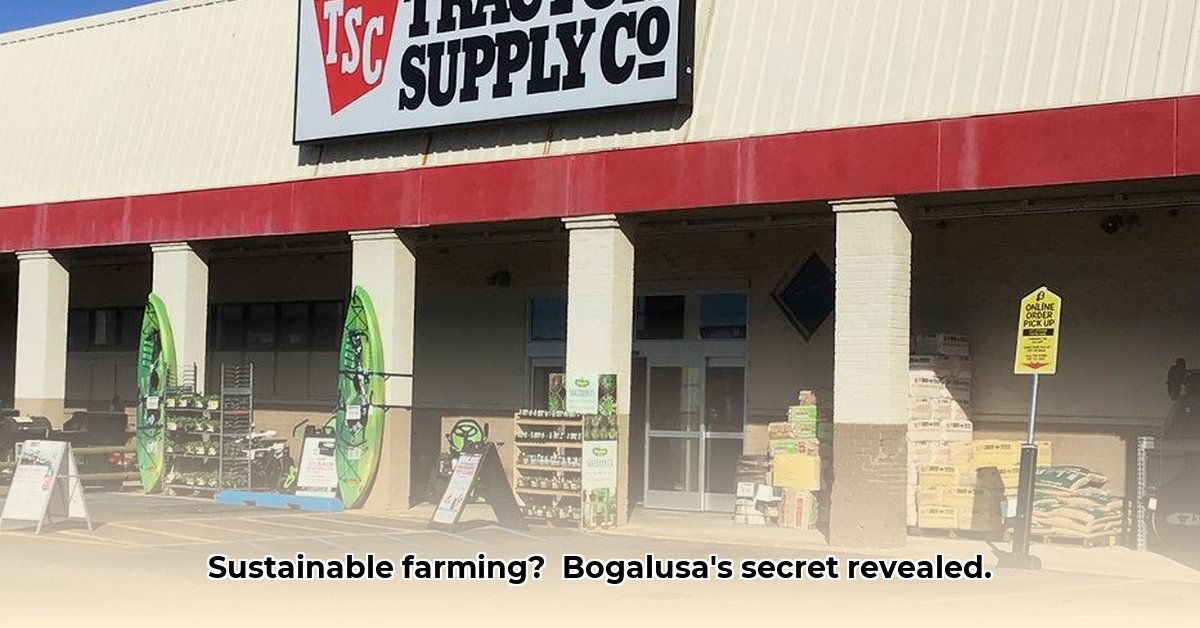
Tractor Supply Company (TSC) in Bogalusa, Louisiana, serves as a vital resource for local farmers, but its role in promoting sustainable agriculture requires closer examination. This article explores TSC's contributions, identifies areas for improvement, and offers actionable steps for farmers, consumers, and the local government to foster a more sustainable agricultural future. For more information on sustainable soil amendments, check out this helpful resource: Vermiculite Information.
Bogalusa's Farming Hub: Assessing TSC's Role
TSC's convenient location and wide array of supplies make it a cornerstone of Bogalusa's agricultural landscape. But convenience alone doesn't equate to sustainability. How readily available are eco-friendly options? Does TSC actively support sustainable farming practices? These are crucial questions.
Essential Supplies: Convenience Meets Sustainability
TSC offers a one-stop shop for numerous farming essentials: animal feed, fencing, tools, and water tanks. This accessibility reduces farmers' travel and associated carbon emissions. However, the sustainability of the products themselves requires deeper scrutiny. Are farmers selecting truly eco-friendly options, or are they settling for readily available, yet less sustainable, alternatives?
Local Expertise: A Valuable Asset
TSC employees often possess extensive farming experience, offering valuable advice on various techniques, including water conservation and soil health management. This personalized guidance empowers farmers to adopt more environmentally conscious practices. However, it's crucial for farmers to supplement this advice with independent research to ensure informed decision-making.
Supply Chain Transparency: A Critical Gap
A significant challenge lies in the lack of comprehensive information regarding TSC's supply chain. Knowing the origin of products and their associated environmental impacts is critical for sustainable farming. Until more detailed information is readily available about the environmental footprint of products sold at TSC, completely informed choices are difficult for both farmers and consumers.
Building a Sustainable Future: A Collaborative Approach
Progress toward sustainable agriculture in Bogalusa demands a collaborative effort involving TSC, local farmers, consumers, and the local government.
Actionable Steps for a Greener Future
For Tractor Supply:
Enhanced Supply Chain Transparency: Conduct a comprehensive review of the entire supply chain for all major products, detailing environmental impacts at every stage (energy use, water consumption, waste generation). Publicly share these findings in a detailed sustainability report.
Sustainable Product Expansion: Increase the availability and affordability of certified organic and sustainably sourced products. Highlight these options prominently in-store and online.
Eco-Friendly Store Operations: Invest in energy-efficient technologies and renewable energy sources to reduce the store's carbon footprint.
For Local Farmers:
Utilize Local Expertise: Engage with TSC staff to learn about sustainable farming techniques. Ask questions about product origins and environmental impacts.
Continuous Education: Participate in workshops and training programs focused on sustainable agriculture practices. Knowledge is power in this endeavor.
For Consumers:
Informed Choices: Prioritize products with recognized sustainability certifications (e.g., USDA Organic). Support businesses committed to environmental responsibility.
Advocate for Change: Voice your concerns about transparency and sustainable practices to TSC management. Your feedback influences their business decisions.
For Local Government:
Strategic Partnerships: Collaborate with TSC and other stakeholders to support initiatives promoting sustainable agriculture.
Incentive Programs: Implement policies that reward sustainable farming practices, potentially including tax breaks or grants.
Sourcing Sustainable Supplies: A Practical Guide
How can farmers source sustainable supplies from TSC in Bogalusa? This requires a multi-pronged approach:
Identify Certified Products: Look for products carrying recognized sustainability certifications.
Inquire Directly: Ask TSC staff about a product's origin, manufacturing process, and packaging.
Conduct Independent Research: Verify claims by researching companies and certifications online.
Explore Alternatives: If information is insufficient, seek out alternative sustainable products.
Support Sustainable Brands: Prioritize purchases from companies with demonstrable commitments to sustainability.
Provide Feedback: Let TSC know your preferences for sustainable products.
TSC's Community Impact: A Balanced Perspective
TSC's impact on Bogalusa's agricultural community is significant, but its sustainability practices require improvement. The absence of detailed supply chain information hinders the ability to fully assess the environmental impact of many of its products. While TSC offers a wide range of products at competitive prices, increasing the accessibility and visibility of truly sustainable products is paramount. The journey towards a greener future requires a continued commitment to collaboration, transparency, and meaningful action from all stakeholders.